Machine learning for Philippine biomedical research
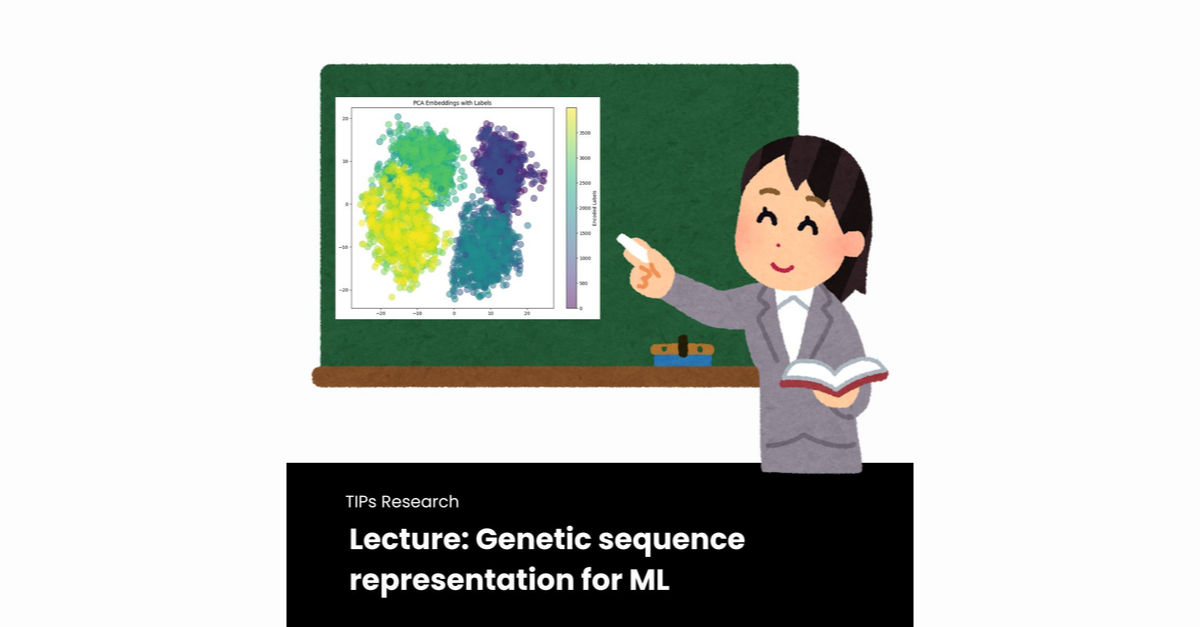
The TIPs research group will be conducting a free, remote, and informal preliminary lecture on 'Genetic Sequence Representation for Machine Learning' with emphasis on the Translator-Interpreter Pre-seeding for Variable Fragment (TIPs-VF) approach.
TIPs-VF is a Filipino-born genetic sequence representation logic. In a preliminary study, TIPs-VF showed a strong performance in:
- BLAST-free alignment
- accurately representing variable-length sequences
- encoding codons uniformly
- resilience to sequence truncation and fragmentation
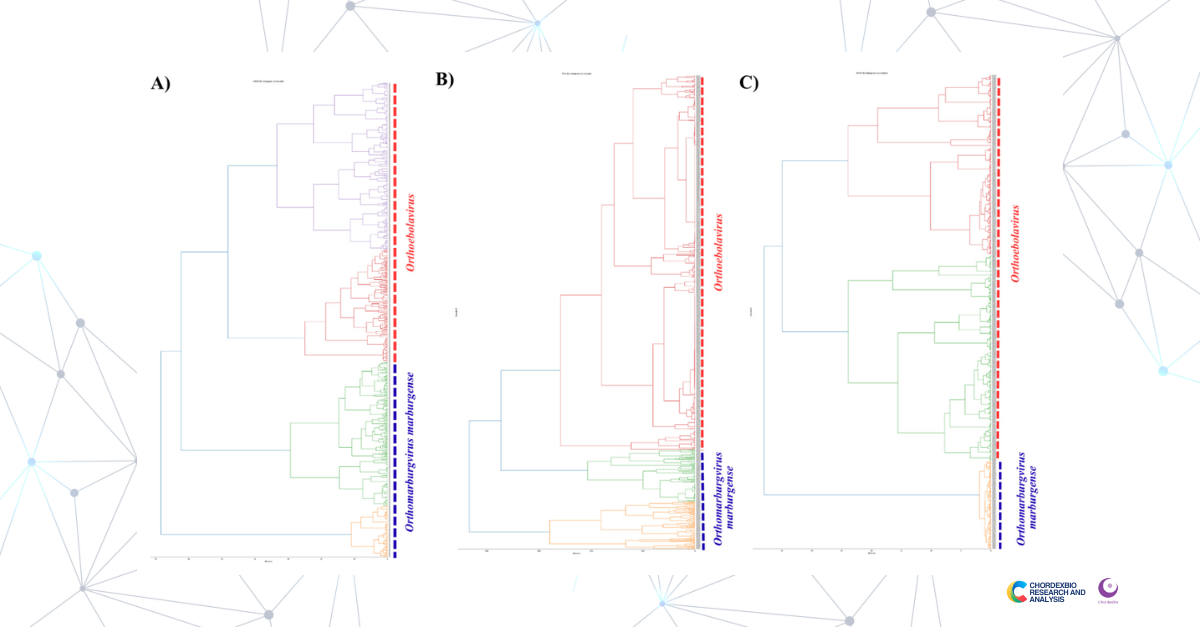
- clustering related viral species based on sequence similarity
- detecting key plasmid vector motifs
- identifying splice junction patterns
Reference: TIPs-VF: An augmented vector-based representation for variable-length DNA fragments with sequence, length, and positional awareness bioRxiv. 2025.02.15.637782. doi: https://doi.org/10.1101/2025.02.15.637782
The session will present an overview of methods for representing genetic sequences in formats suitable for machine learning algorithms, followed by a demonstration of TIPs-VF. This approach is designed to optimize the use of genetic sequence data in computational models, which can contribute to more efficient analyses and improved outcomes in biomedical research.
Beyond the technical discussion, the lecture aims to inspire more students, researchers, and professionals in the Philippines to explore the possibilities of machine learning-driven biomedical projects. "Participation will help shape how knowledge is shared around machine learning innovation for biomedicine and contribute to advancing the country’s research ecosystem" according to Marvin De los Santos, TIPs project leader and developer.
An open discussion will be held to consider the potential applications of TIPs-VF in the Philippine research context, particularly in bridging computational methods with biomedical needs. This is part of an initial program to engage participants, gather feedback, encourage data-driven innovation, and understand points for collaboration in the life sciences.
Learn more at https://tips.chordexbio.com/lecture-series-genetic-sequence-representation-for-machine-learning.✋ Hi, I’m Chordie! I’m the content management guru at ChordexBio, responsible for creating news, blogs, and resource materials. I’m passionate about turning ideas into clear, informative content—and I’m always happy to write 🙂