ChordexBio has launched guntingAI, the first Filipino-built, AI-based CRISPR targetability engine capable of whole-genome prediction across domains of life.
Most guide-design tools were built around a handful of well-annotated model organisms. ChordexBio's guntingAI takes a different approach: it learns the sequence and structural signals of targetability from the genomes researchers actually work with, so it can be adapted to organisms that conventional pipelines leave behind. These genomes could be derived from non-model species, unannotated assemblies, and the massive underserved sequence data across agriculture, aquaculture, and local biodiversity research.
What guntingAI does
Rather than predicting whether an edit will succeed, guntingAI scores targetability — how addressable a site is by the CRISPR machinery — and flags off-target risk before wet-lab validation. By surfacing the most addressable guides early, guntingAI helps teams spend bench time where it counts and derisks genome editing experiments from unwanted consequences. This is particularly beneficial for target sequences derived from complex, non-model, unannotated genomes.
Built to generalize
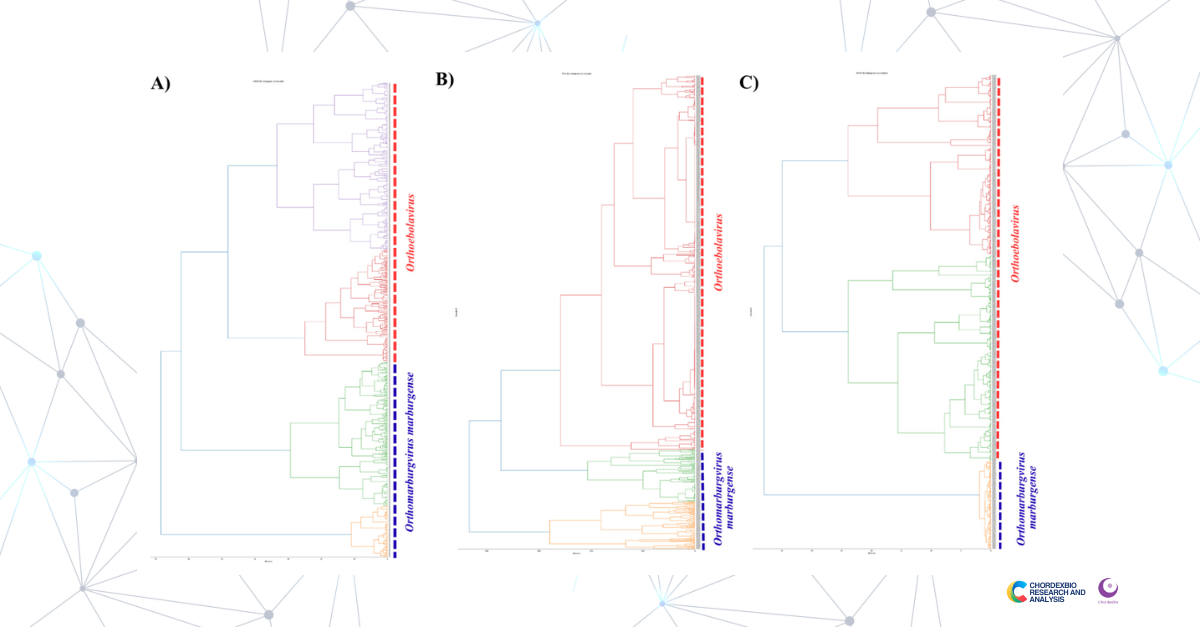
In validation, guntingAI was exercised across a cross-domain benchmark spanning virus, bacteria, yeast, plant, and animal life — including a roughly 2,963× span in genome scale. Crucially, the method is engineered to operate without depending on rich annotation, which is what makes it usable on the genomes most editing workflows cannot serve. The guntingAI prototype can be accessed at https://guntingai.chordexbio.com.
Four things guntingAI does
guntingAI is built around four capabilities that set it apart from conventional guide-design tools:
- Scores targetability, not just sequence. guntingAI ranks how addressable a site is by the CRISPR machinery — the precondition for a successful edit — rather than assuming a guide will work because it looks canonical.
- Flags off-target risk early. Potential off-target sites are surfaced before wet-lab validation, so teams can choose guides that minimize unintended activity.
- Trains on any genome. The engine adapts to the organism you actually work with, turning a fixed tool into a reusable, locally relevant capability for your target space.
- Generalizes beyond well-annotated models. Engineered to work without rich annotation, guntingAI serves non-model, unannotated, and underserved genomes that most editing pipelines leave behind.
guntingAI is now deployed. ChordexBio is sharing a technical brief and early validation data with research groups, and is opening conversations with labs interested in piloting the engine on their own genomes or integrating it into existing editing workflows.
For technical details, early data, or to arrange a demonstration, contact ChordexBio or visit contact page.
Hi, I’m Dexter 😎 I handle resource management at ChordexBio—building tutorials, guides, and technical content that actually make sense. I like breaking down complex ideas into clear, usable write-ups, whether it’s for onboarding, research workflows, or product documentation.